
Beat Street
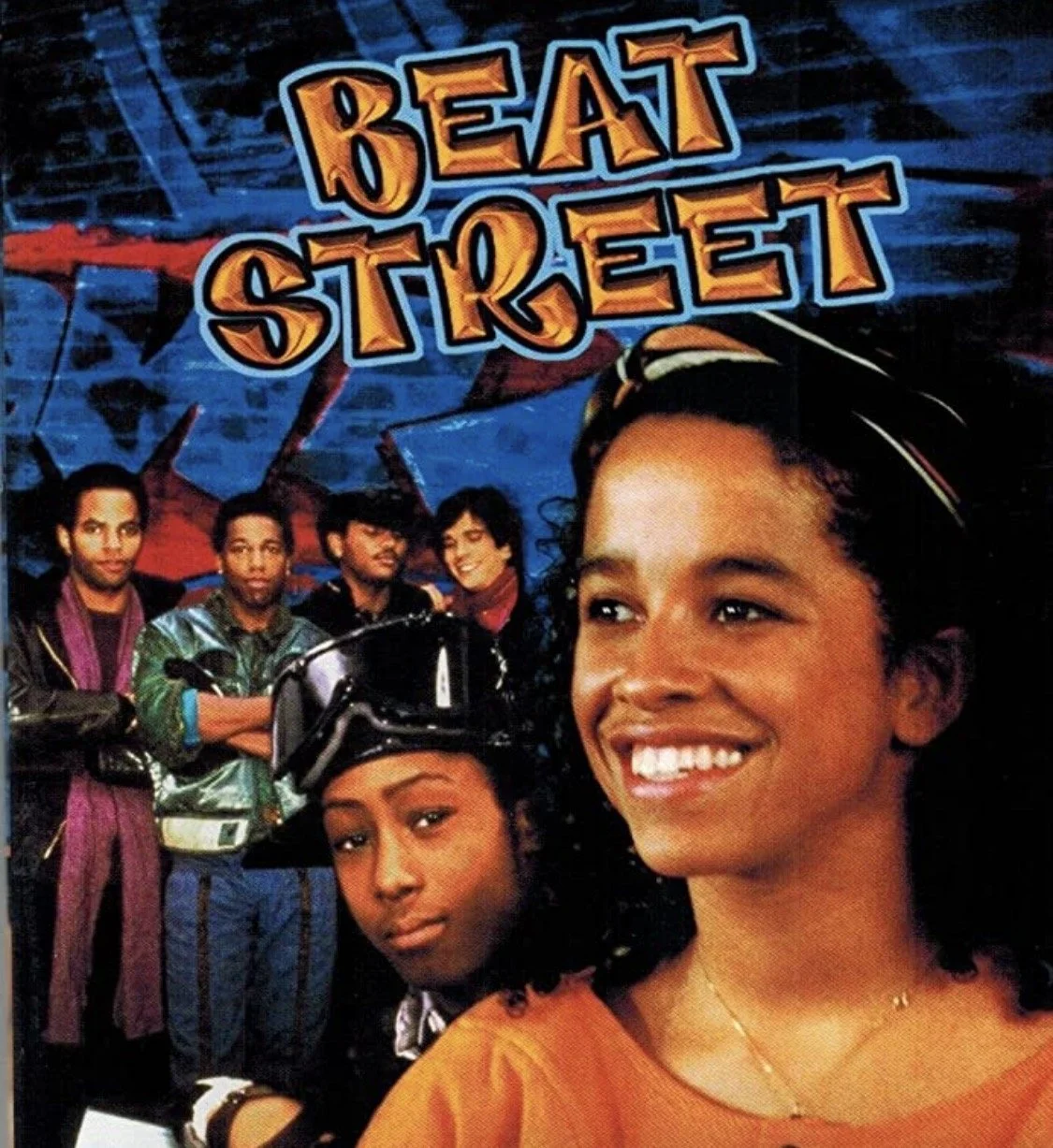
Beat Street is the moment HipHop stepped onto the world stage and said, Yeah, we’re here now. This was the first time a major studio tried to capture HipHop’s energy, talent and struggle on film. With enough budget, enough visibility and enough distribution to hit every coast, every country, every kid who didn’t grow up anywhere near the Bronx.
BeatStreet isn’t perfect, but what it gets right, it gets beautifully right. The film takes HipHop seriously, as a life, not a hobby. As a community, not a trend. As an artistic movement, not a temporary youth phase. That framing mattered, it told the world that HipHop was valid, creative, disciplined and worthy of respect.
The Roxy scenes, Iconic. The Rock Steady Crew sequences aren’t just dance numbers, they’re Kultural landmarks. This film immortalized the athleticism, the footwork, the freezes, the drama of the battle, the whole language of breakin’. At a time when the rest of America didn’t even have the vocabulary yet. Kids overseas learned what breakin’ looked like because of Beat Street. Whole communities in Europe, Asia, and South America were born off the inspiration from these scenes.
Then there’s the graffiti storyline, one of the strongest representations of the craft in mainstream cinema. Ramo is still one of the most meaningful fictional characters in HipHop history because he represents the true writer’s spirit. The passion, the danger, the vision and the obsession with legacy. The film doesn’t treat graffiti like a throwaway backdrop, it treats it like a legitimate art form worth fighting for, worth perfecting, worth dying for.
BeatStreet is about turning struggle into art, turning your environment into your canvas and finding a voice in a world trying to shut you down. It shows the pressure, the poverty, the heartbreak, but also the unity, the creativity and the resilience that define HipHop’s birth. It’s a Kultural snapshot of the Bronx at a pivotal moment, wrapped inside a story that younger generations can still feel in their bones.
What makes Beat Street truly important is the international ripple effect. Across Europe and Asia especially, this was the movie that flipped the switch. You talk to OGs in Germany, France, Japan, the UK, nine times out of ten, their first real contact with HipHop Kulture came from Beat Street. It was the spark that turned local curiosity into global movement. In HipHop’s cinematic lineage, Beat Street is the bridge, the film that took the Kulture from the neighborhood to the world.
Juice
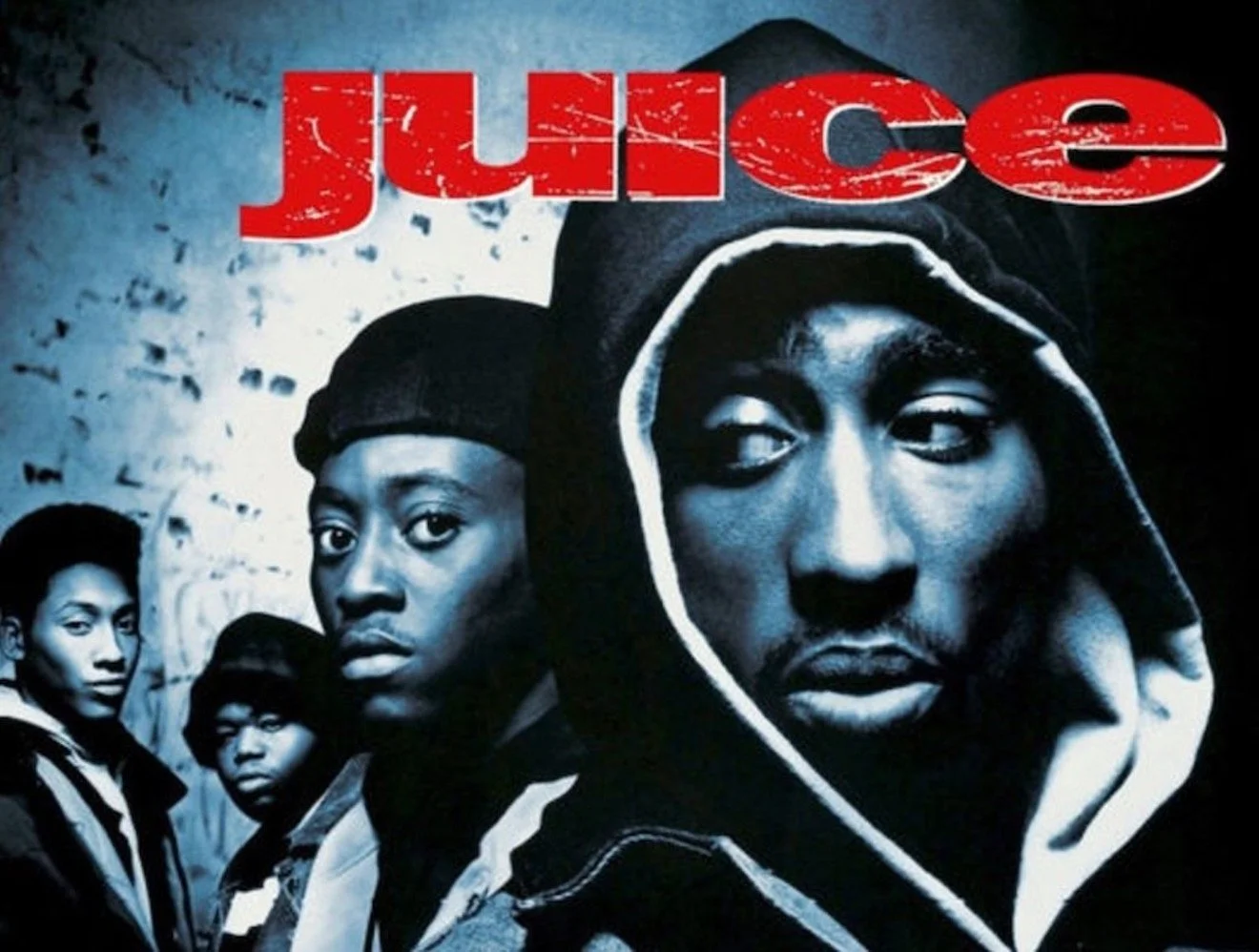
Juice ain’t just a HipHop classic, it’s a psychological study wrapped in a thriller, told through the lens of HipHop’s early ’90s reality. This film is different because it isn’t about good vs. evil, it’s about pressure, power and the choices young men are forced to make when the world gives them nothing but weight to carry. It’s HipHop cinema at its rawest.
Q, Bishop, Raheem and Steel look like the boys from every block in America at the time. Talented, overlooked, brilliant in their own ways, but suffocating under the lack of opportunity, structure and guidance. That’s why the movie resonated so deeply, it doesn’t glamorize the hood, it reveals its psychology.
Then there’s Tupac Shakur as Bishop, easily one of the greatest performances tied to HipHop in film history. Pac didn’t play Bishop, he embodied something true and terrifying. A young Black man who internalized his environment so deeply that violence became identity and power became oxygen. HipHop has always been attracted to power. Who’s got it, who lost it and what it costs to get it. Juice put that conversation on screen with blistering honesty.
The film also marks a major moment for DeeJay Kulture. Q’s storyline, perfecting his cuts, chasing a spot in a DeeJay battle, grinding to get seen, legitimized the DeeJay as a protagonist. That mattered, because HipHop’s foundation begins with the DeeJay. The film reminded everybody that behind every eMCee, every crew, every block party, there’s a kid like Q building his craft quietly, religiously and with heart.
The soundtrack, monstrous. Eric B. & Rakim, Big Daddy Kane, EPMD, Too Short, Naughty by Nature, it’s a who’s who of early ’90s excellence. The soundtrack alone set the tone for what HipHop cinema should sound like. Weighty, gritty, stylish and proud of its roots.
The real reason Juice endures is that it told a truth HipHop already knew but rarely articulated. Sometimes the villain and the victim live in the same body. Bishop wasn’t a monster, he was a product. A warning. A blueprint of what happens when brilliance gets twisted by a world that never expects you to survive. And Q wasn’t a hero, he was just trying to stay sane, stay alive and stay himself in a world that punishes softness. That duality is HipHop all day.
Krush Groove
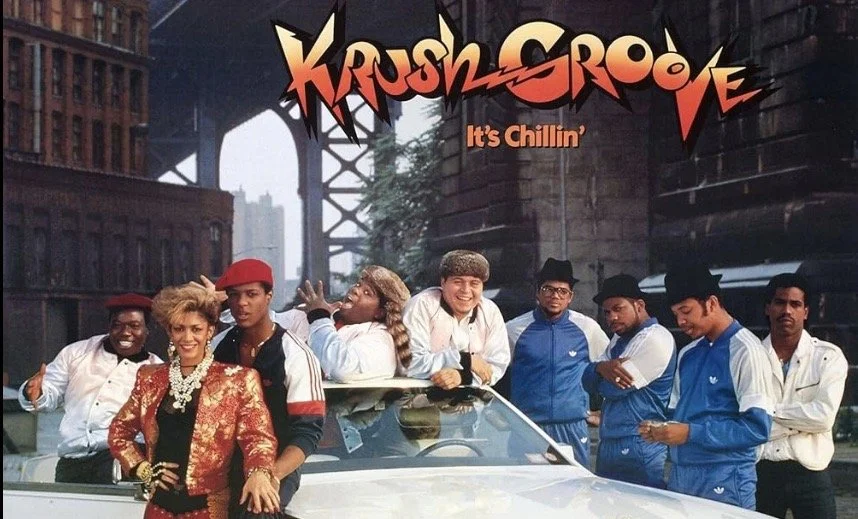
Krush Groove is HipHop’s first big myth. The kind of story where the real-life legends play themselves, the soundtrack becomes a time capsule and the Kulture finally sees its own rise reflected back on a movie screen with style, humor, struggle and ambition baked into every scene.
This is the movie that turned the early Def Jam era into folklore, where you see Russell Simmons fictionalized as Russell Walker, hustling to get records pressed, chasing radio play, trying to keep his artists fed and fighting the exact same obstacles that every independent label owner still deals with today. That storyline alone makes the film priceless to HipHop. It documents the moment when the Kulture began transitioning from local movement to global industry.
The cast in the movie weren’t actors pretending to be eMCees, they were the actual architects of the moment. Run-DMC. LL Cool J. The Fat Boys. Kurtis Blow. Sheila E. Beastie Boys. These weren’t cameos, these were Kultural heavyweights capturing themselves at the beginning of their ascent. That makes Krush Groove feel like a living museum exhibit. You’re watching figures who would go on to reshape HipHop’s entire trajectory, but here they are in their rawest and hungriest form.
HipHop rarely gets to mythologize itself in real time. Krush Groove is one of the few times it happened.
The movie marks a turning point in how mainstream America viewed the Kulture. Up until then, HipHop was seen as a fad, a phase, maybe even a threat depending on who you asked. But Krush Groove showed HipHop as an enterprise, a movement organized around entrepreneurship, artistry, ambition and community. The plot centers on financial struggle and artistic integrity, issues HipHop would wrestle with for decades.
The soundtrack and performances, legendary. Run-DMC’s energy is ferocious, LL’s audition scene is the definition of star power, The Fat Boys’ scenes are pure joy and Sheila E. brings a level of musicianship that widens the film’s palette. It’s a reminder that the ‘80s were explosive, chaotic and groundbreaking and HipHop was evolving faster than the industry could keep up.
The core reason Krush Groove matters is that it’s one of the earliest films that shows HipHop strategizing scale for itself. The community wasn’t just rhyming or breakin’ or producing, it was building labels, forming companies, planning tours, managing artists and imagining bigger futures. The film captures that entrepreneurial DNA that still fuels the Kulture today. Every artist who ever started a label, every kid who ever thought I can build something of my own, every independent hustler who ever printed CDs in their bedroom, somewhere in that lineage is the spirit of Krush Groove.
Kush Groove. It’s half history lesson, half family photo album, half prophecy.
Style Wars
Before HipHop had Grammys, billionaires, or global festivals, it had writers. Kids with Krylon cans, stolen caps and visions bigger than their blocks. Style Wars is the film that finally held a mirror up and showed the world that graffiti wasn’t vandalism, it was language. It was rebellion, identity, discipline and imagination bleeding through steel.
This documentary isn’t just a time capsule. It’s evidence. Proof that HipHop was already multi-dimensional, philosophical and self-aware before the mainstream ever cared to look. Style Wars captures the Kulture at its most innocent and most explosive. Teenagers shaping a global artform without even knowing the size of what they were building.
When you watch it, you’re not watching Hollywood. You’re watching life. You see the tension between artists and the city, between expression and authority, between who the kids wanted to be and what society told them they were. You hear writers talk about getting up like it’s survival, because for them, it was. Their names were more than tags. They were declarations. I was here. I existed. I mattered.
HipHop has always been a story about visibility, creating a voice where there was none. Style Wars shows how graffiti was HipHop’s first broadcast system. Walls were mixtapes. Subway cars were radio stations. Every whole-car burner was a message delivered to every borough, no algorithm needed.
Then there’s the style itself. The innovation. Kids treating lettering like kung fu. Throw-ups turned into signatures. Handstyles evolved into entire dialects. The documentary captures that competitive spirit, the battles, the one-upmanship, the hunger to push the craft past anything the elders imagined. It’s the same energy that birthed legendary eMCees and producers. The urge to take what exists and bend it until it becomes yours.
Style Wars also frames graffiti as a community. Crews functioning like families. Mentorship happening in tunnels and train yards. Codes, rules, consequences, all created by the Kulture itself. That governance is pure HipHop. Self-built, self-policed, self-defined. It’s the architecture we still use today, whether we’re talking rap, DeeJayin’, fashion, or tech.
The documentary also exposes the struggle for control. The city fighting to erase the art as fast as kids created it. That push and pull shaped the Kulture’s DNA. Every generation of HipHop has had to defend its right to exist. Style Wars is the earliest, clearest record of that conflict.
HipHop didn’t grow out of graffiti. Graffiti is HipHop’s backbone. Style Wars is the documentary that immortalized that truth before anyone else bothered to understand it.
Wild Style
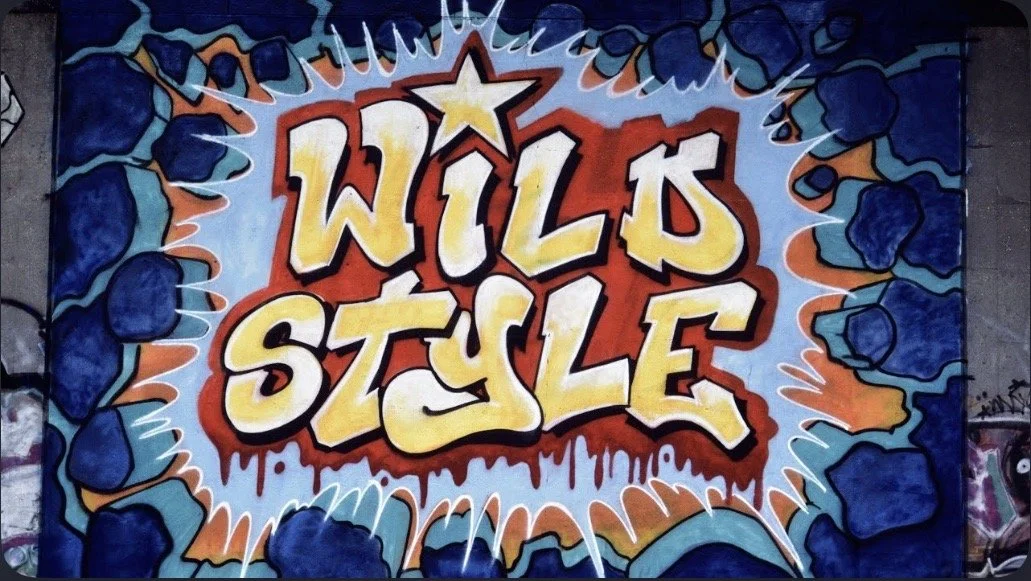
Wild Style is the first film that didn’t just showcase HipHop, it understood it. It’s the blueprint before the blueprint, the cinematic Genesis chapter of a Kulture that was still figuring out its own name. When you watch Wild Style, you’re not seeing actors play HipHop characters. You’re seeing the actual architects playing versions of themselves before the world had any clue who they were.
This movie is HipHop catching its reflection in the mirror for the first time.
From the jump, Wild Style blends every element. eMCeein’, DeeJayin’, breakin’, graffiti, into a single universe where they aren’t separate scenes but one connected heartbeat. You see why this Kulture works, everybody feeds off each other. DeeJays power the breakers. Breakers hype the eMCees. eMCees amplify the writers. Writers paint the backdrop for all of it. The film doesn’t lecture you on that ecosystem. It lives in it.
The energy of the Bronx in the early ’80s is raw and unfiltered. These ain’t studio sets. These are real blocks, real yards, real jams where the electricity came from extension cords hanging out somebody’s window. That authenticity matters because Wild Style captured HipHop before corporate interests tried to shrink it down into a product. What you see on-screen is the Kulture in its most natural habitat. Hungry, collaborative, competitive and alive.
The graffiti sequences alone deserve their own museum wing. Lee Quinones and Lady Pink aren’t just part of the cast, they’re the heartbeat of the story. Their pieces, their trains, their presence, it’s all real. Wild Style treats graffiti like a sacred language, giving it the kind of cinematic respect nobody else cared to give at the time. It validates writers as artists, not vandals, decades before the art world finally caught up.
Then there’s the music. The park jams. The eMCee battles. Grandmaster Flash cutting in that kitchen like it’s a laboratory. The Cold Crush Brothers commanding the crowd with pure skill, no gimmicks, no filters. You’re watching the DNA of modern performance right there. Every eMCee who rocks a stage today is borrowing something from those early blueprints, whether they know it or not.
What makes Wild Style timeless is that it’s not a nostalgia piece, it’s a Kultural origin story told by the people who built the Kulture. It’s a film made from inside the movement. HipHop has always had to battle misrepresentation, but here for the first time, the world got a portrayal that was accurate, respectful and visionary.
The movie also matters because of what it sparked. After Wild Style, HipHop artists, from NY to LA to Japan to the UK, started pushing the Kulture visually. The film became a passport. A seed. A signal. It showed the world that HipHop wasn’t a fad. It was an art movement with style, philosophy, community, and power. International scenes still refer to Wild Style as one of their earliest gateways into HipHop Kulture.
Most importantly, Wild Style proves this culture didn’t happen by accident. It happened because young geniuses refused to be invisible. eMCee, breakers, DeeJays, writers, all telling their story loud enough for the world to finally hear it. Wild Style is the film that preserved that moment forever.